
AOD-9604
Certificate of Analysis
Each batch is tested by an independent third-party laboratory. Certificate of Analysis is available upon request.
What is AOD-9604?
What is AOD-9604?
AOD-9604 is a synthetic peptide fragment derived from the C-terminal end of human growth hormone (HGH). In laboratory research, it is studied for its role in metabolic signaling and lipid-related pathways.
Frequently asked questions
Are your products tested?
Yes, all products are tested by third-party laboratories to ensure purity and potency.
What is the shipping time?
Orders ship same day from our facility and typically arrive within 5–10 business days.
Do you offer bulk pricing?
Please contact us for bulk order inquiries.
Made in China
Peptides are precision-synthesized and lyophilized at state-of-the-art laboratories.

AOD-9604 Overview
AOD-9604 is a synthetic peptide fragment derived from the C-terminus of human growth hormone (hGH 176–191, with an added N-terminal Tyr). It is studied for its effects on lipolytic and anti-lipogenic pathways, β3-adrenergic signaling, and metabolic regulation in laboratory and preclinical models.
History
Developed in the late 1990s/early 2000s as a focused hGH fragment, AOD-9604 was advanced into early clinical programs to investigate mechanism-driven metabolic effects and safety. Subsequent summaries report randomized, placebo-controlled trials evaluating IGF-1, glucose tolerance, and immunogenicity endpoints in research settings.
AOD-9604 Structure
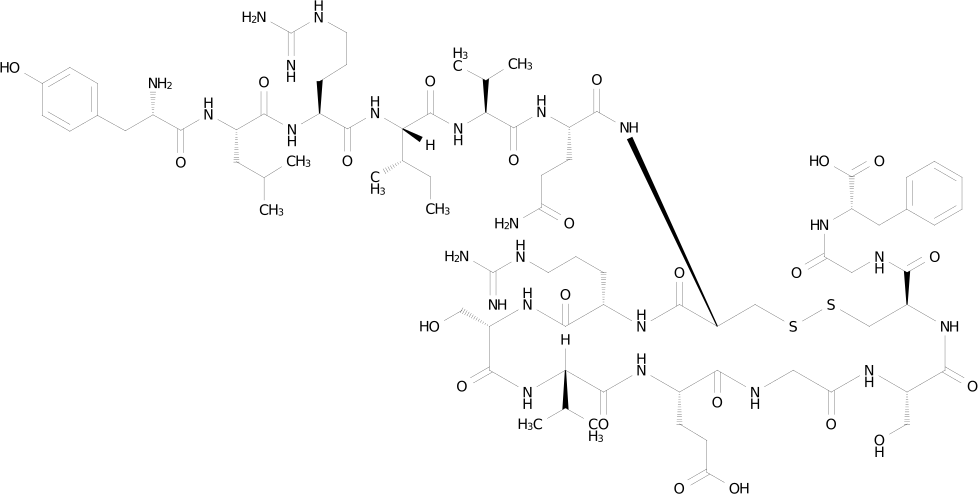
CAS #: 221231-10-3
Molecular Formula: C₇₈H₁₂₃N₂₃O₂₃S₂
Molecular Weight: 1815.1 g/mol
PubChem ID: 71300630
Research Findings
AOD-9604 has been studied in metabolic, musculoskeletal, and systemic models, with research exploring its effects on lipid metabolism, fat utilization, and tissue repair processes. Studies also highlight its potential influence on cartilage protection, bone health, and recovery in preclinical settings.
Key Areas of Research::
• Metabolic: lipid metabolism, fat utilization
• Structural: cartilage, bone, connective tissue
• Systemic: repair, recovery, protection
Together, these findings suggest experimental potential for AOD-9604 across metabolic, structural, and systemic pathways. By modulating fat metabolism and supporting tissue integrity, AOD-9604 provides a versatile platform for research into energy balance, musculoskeletal health, and systemic recovery in laboratory models.